• Skip to main content

SKOGAR AI

Uncategorized

Aug 17 2026

Lookabout: Point Your Camera at the World, and It Answers

Pull into Fort Pulaski and your phone already has
a plan: Visitor Center · 350 ft — follow the dots.
A trail of them, laid right across the lawn, walks you to the front door.
That’s Lookabout: a travel companion that knows where
you are, notices where you’re pointing, and answers the oldest question
of every trip — what am I looking at?
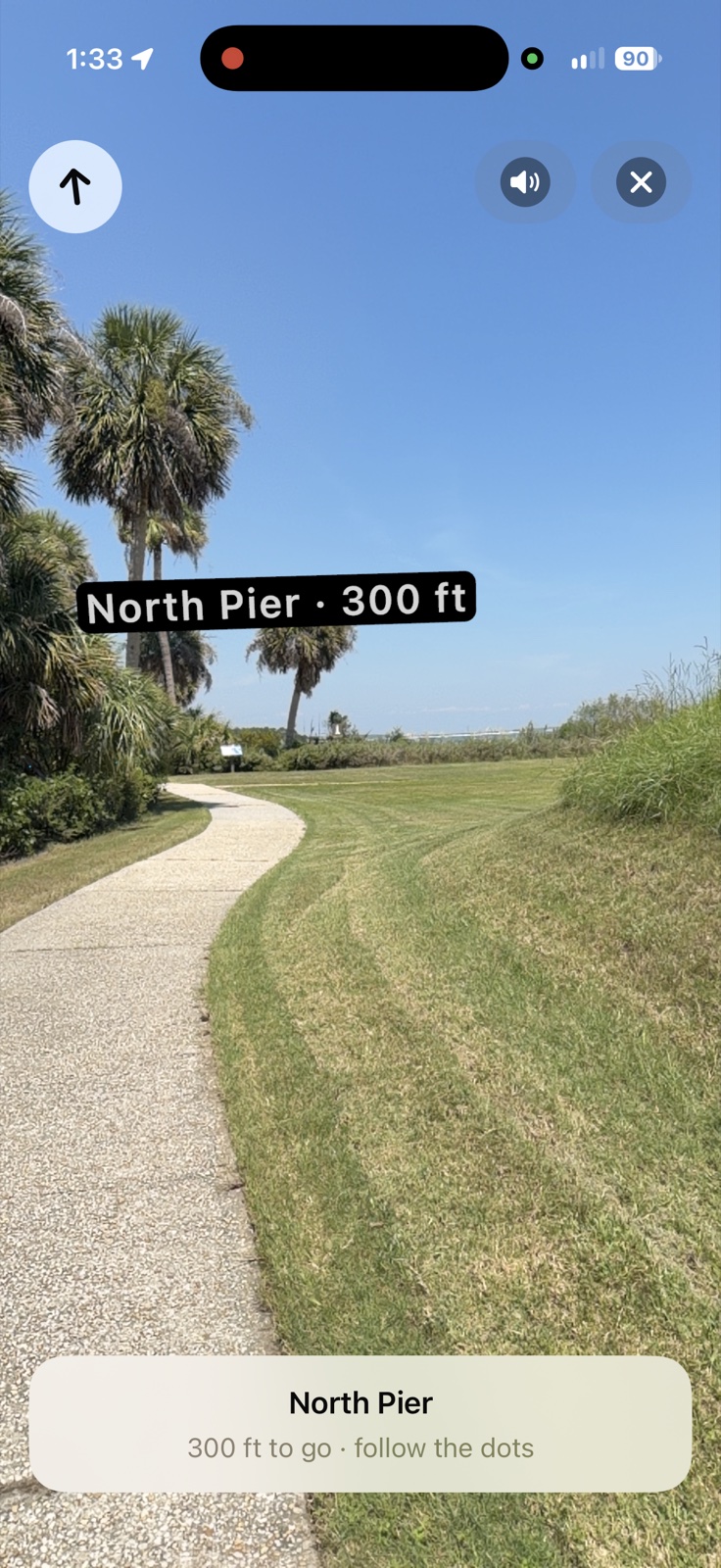
iPhone screenshot of Lookabout's AR walking guide at Fort Pulaski: a floating North Pier · 300 ft label over a shell path curving through palms toward the water, with a banner reading 300 ft to go, follow the dots.
North Pier · 300 ft — the label hangs where
the shell path bends toward the sea.

The name comes from the Australian walkabout — but this one
you take with your eyes. There is no map to squint at, no list to scroll. You
simply look at something, and Lookabout works out which fort, square, monument,
or lighthouse holds your gaze — using where you stand, the direction
you’re facing, and a little geometry — then tells you its story.

Point at it. It knows.

Lookabout draws on sources that actually know their subject: the National
Park Service’s own descriptions when you’re in a park, Wikipedia
when the world has written an article, and Apple Maps for everything with a
name. On top of that, Apple’s on-device intelligence writes you a short,
friendly introduction — grounded in those real sources, never invented
— and every description says where it came from.
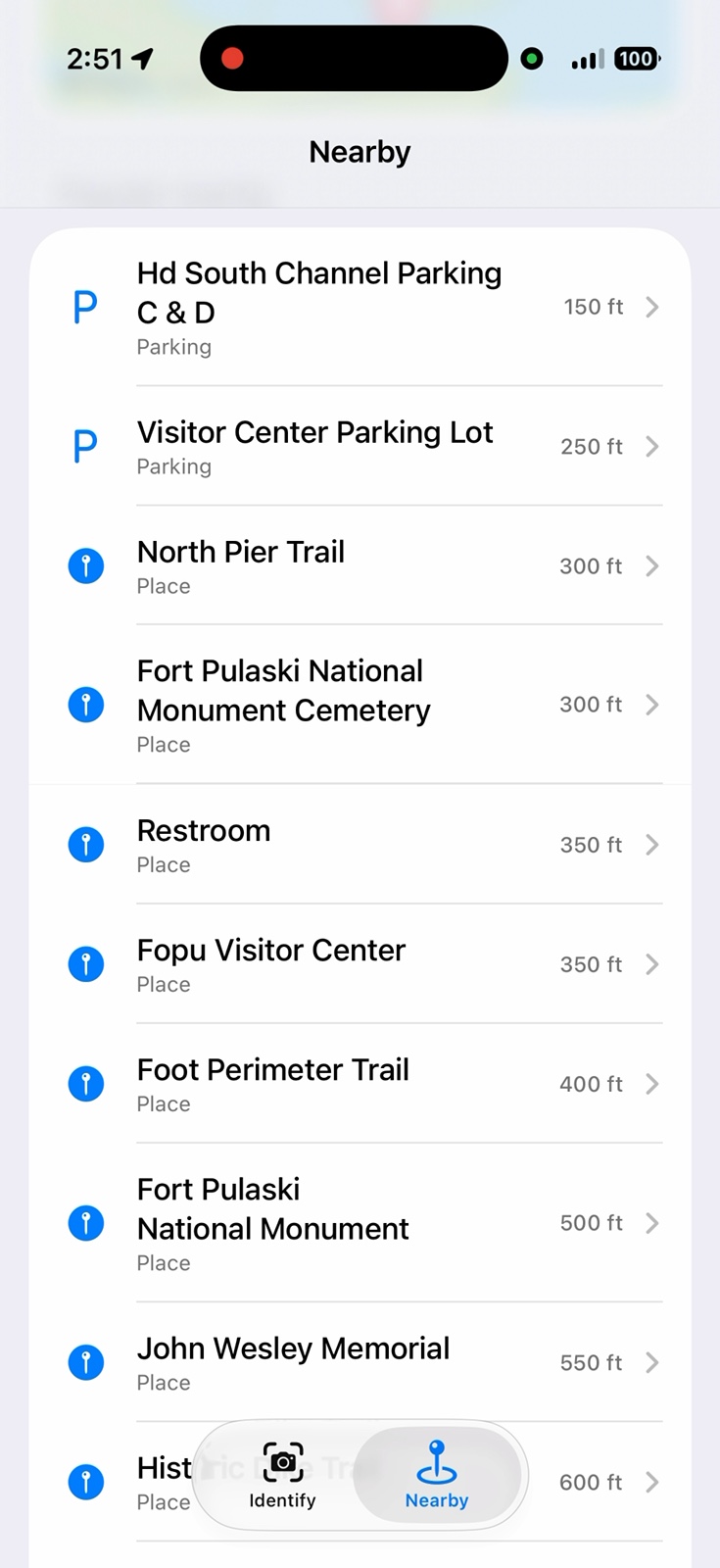
iPhone screenshot of Lookabout's Nearby tab at Fort Pulaski, listing parking lots, the North Pier Trail, the monument cemetery, and the Fopu Visitor Center 350 feet away.
Arriving at Fort Pulaski, the Nearby tab already knows the
neighborhood — parking, trails, memorials, and the visitor center,
350 feet away.

That opening move is the same at any national park:
Lookabout’s first suggestion is always the visitor center. At Fort
Pulaski, the dots happen to lead past the John Wesley memorial and the
emancipation markers on their way to the door. And regular readers have
already met the man inside: Ranger Max, who checks you in at
SKOGARK’s fictional Fort Pulaski, works at the real one.

It reads to you

Tap Listen, lower the phone, and Lookabout becomes an audio tour
— the history of the place you’re standing in, read aloud while you
look at the real thing instead of a screen. Turn on auto-narration and every
landmark you identify introduces itself, like a patient guide who never minds
being asked twice.

Walk there
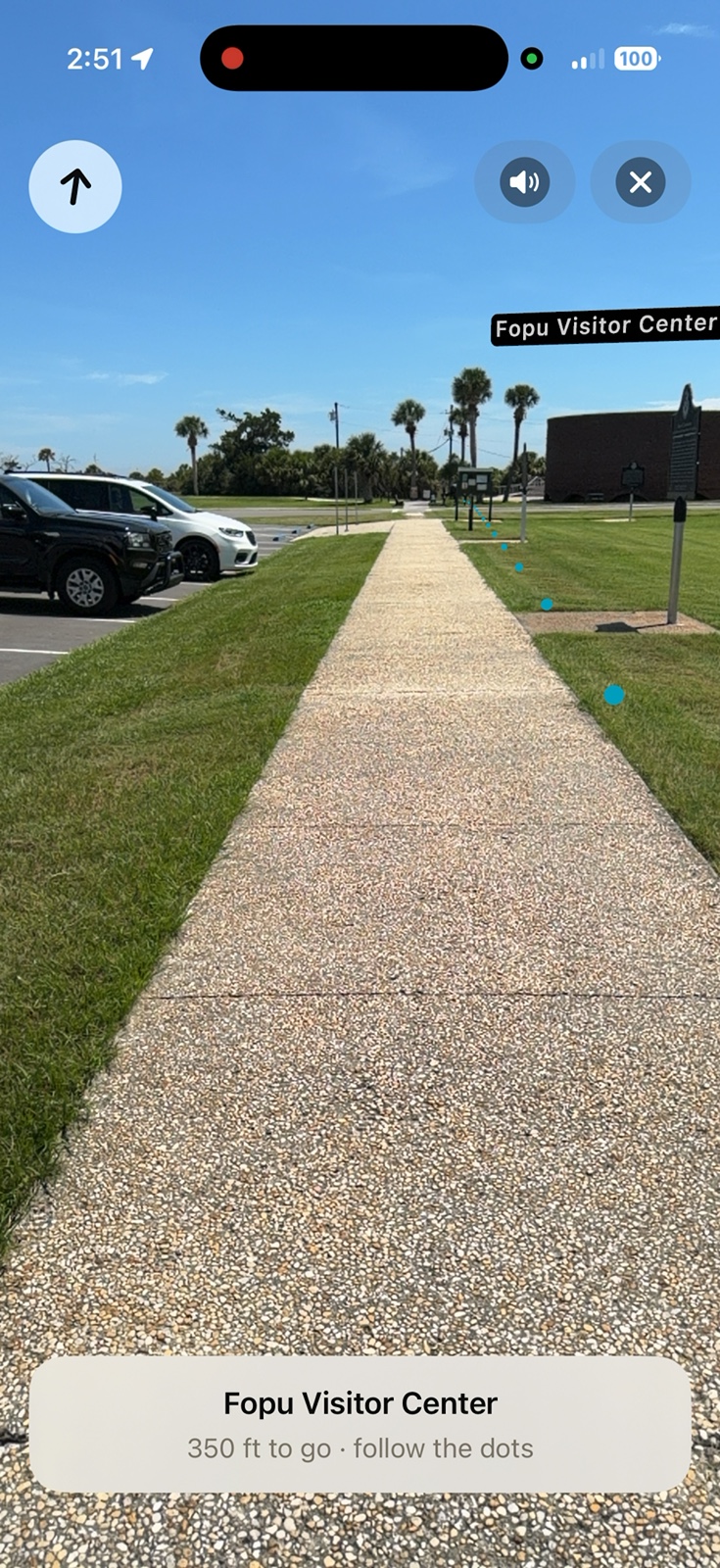
iPhone screenshot of Lookabout's AR walking guide on a path at Fort Pulaski: teal breadcrumb dots on the grass, a floating Fopu Visitor Center label, and a banner reading 300 ft to go, follow the dots.
Follow the dots — the trail Lookabout lays across the lawn
to the visitor center. (“Fopu” is the National Park
Service’s four-letter code for Fort Pulaski —
the app speaks fluent ranger.)

See a label floating in the distance and want a closer look? One tap starts
walking guidance: a trail of dots on the ground, a floating name over the
destination, and a gentle voice for the moments that matter —
“guiding you to the North Pier,” and, when you arrive,
“you’ve arrived.” If you wander off the wrong way, it says
that too, kindly. And it guides you to the place itself — the pier at the
end of the trail, not the sign at the start of it. (That distinction was
learned the honest way, on foot.)
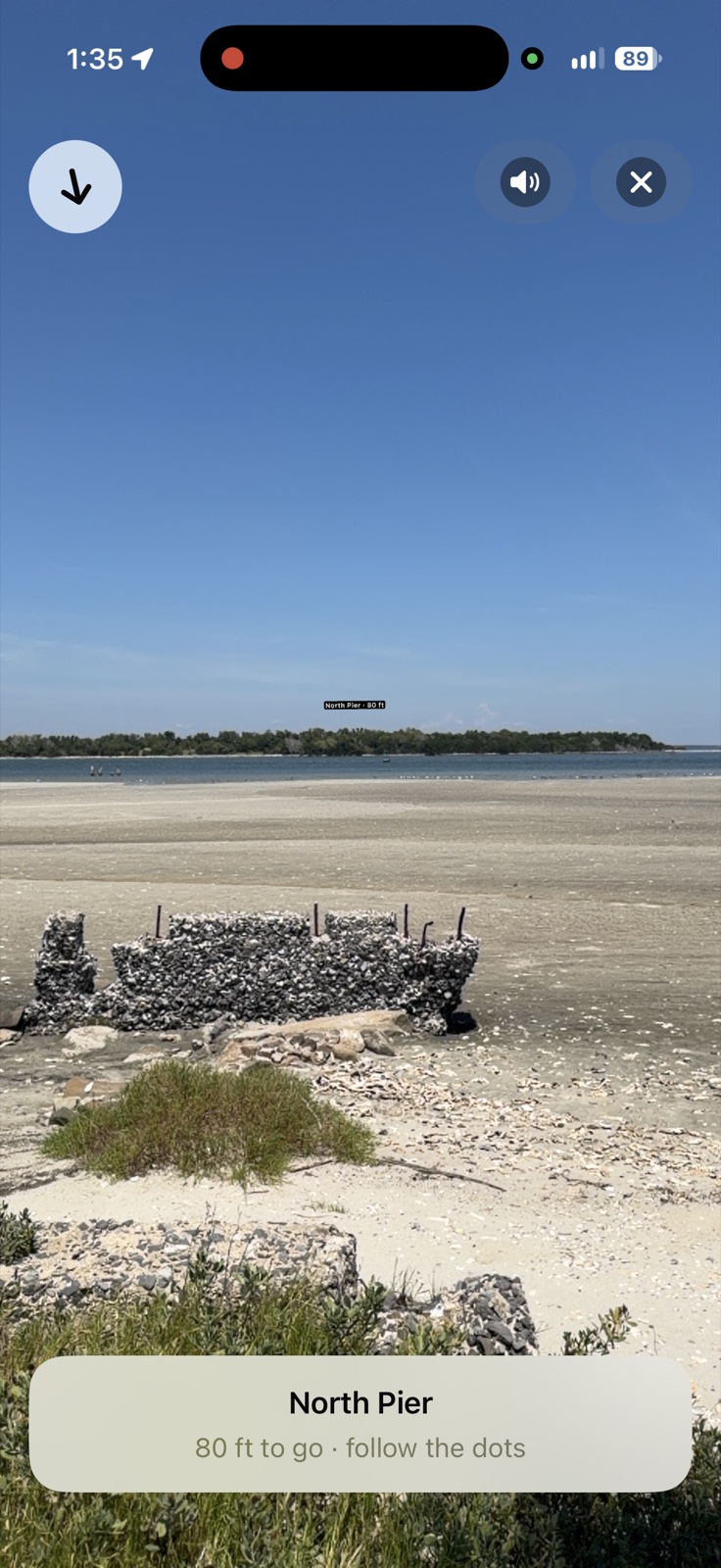
iPhone screenshot of Lookabout's AR walking guide arriving at Fort Pulaski's North Pier: a wide low-tide beach with oyster-shell pier ruins in the sand, a small floating North Pier label in the distance, and a banner reading 80 ft to go, follow the dots.
Eighty feet to go — low tide, the old pier’s
oyster-shell bones, and the label out where the pier actually is.

It knows where “here” is
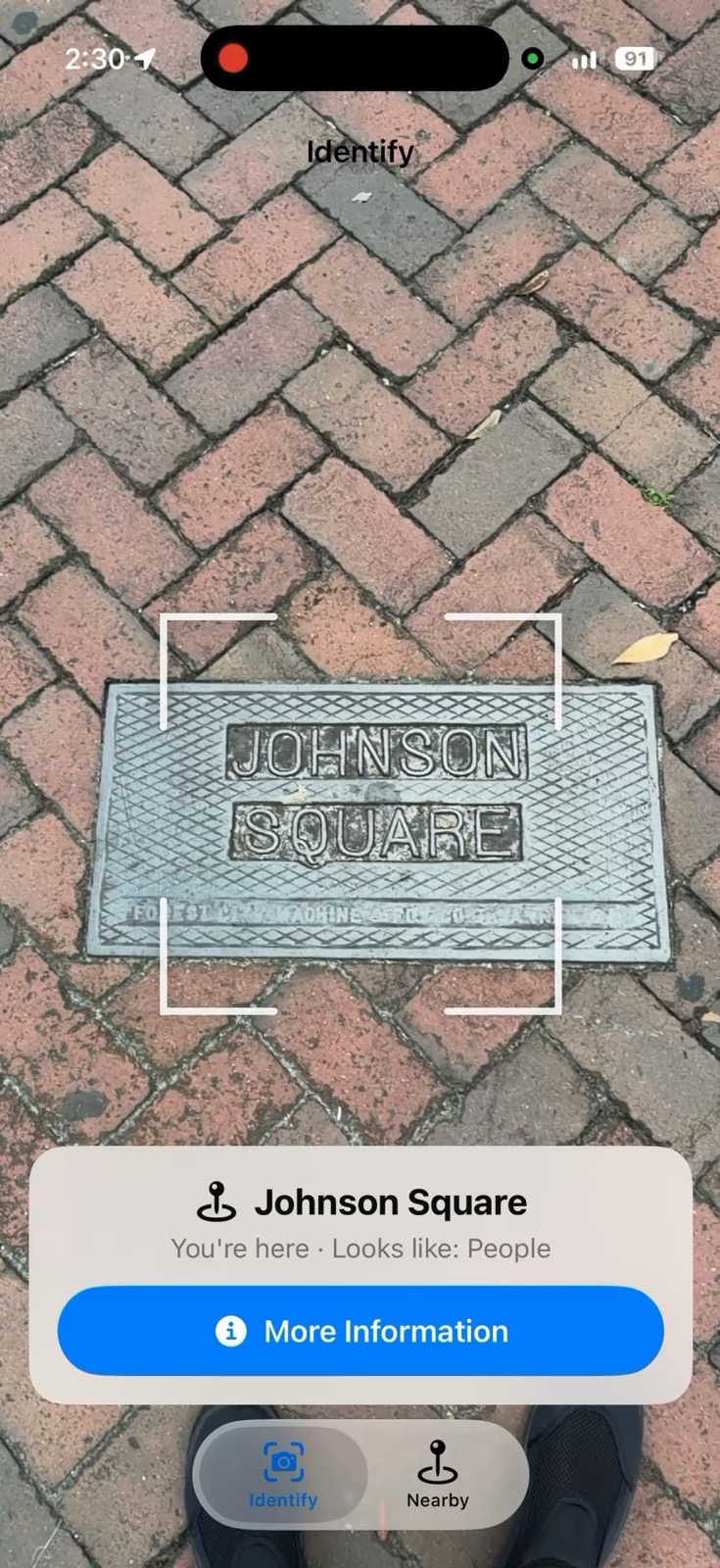
iPhone screenshot of Lookabout aimed at the Johnson Square ground plaque set in brick pavers, with an identify card reading “Johnson Square — You’re here” and a More Information button.
Standing on the plaque in Johnson Square — the app answers
the way a local would.

Savannah’s squares taught Lookabout some manners. Stand anywhere inside
one — even reading the bronze plaque set into the bricks — and it
says You’re here: Johnson Square, the way a Savannahian
would say it. Aim at the monument in the middle and it tells you about
that instead. Places first, details on request — the same way
people actually talk about where they are.

Built on Savannah boots
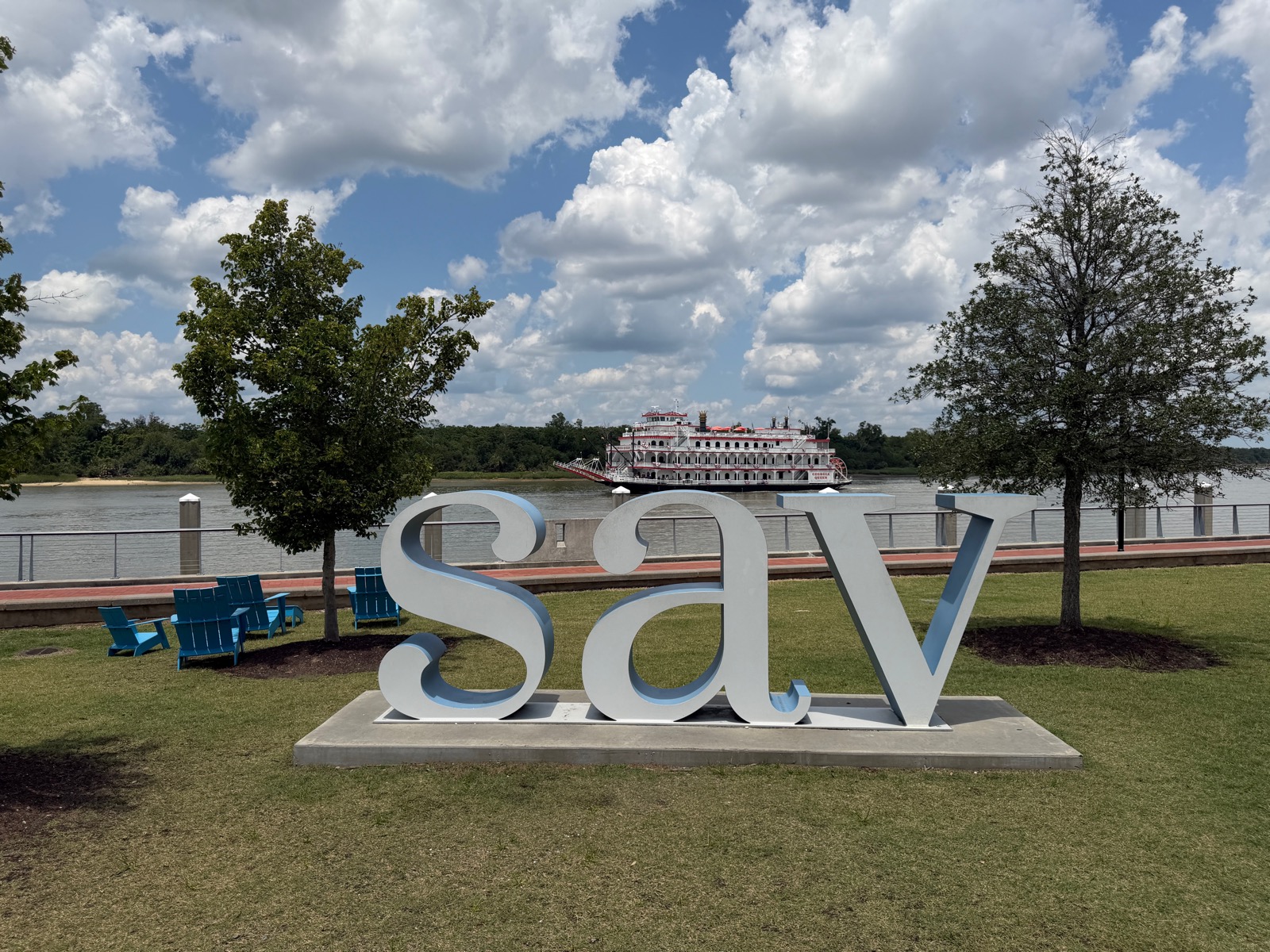
The white “sav” letter sculpture on Hutchinson Island’s riverfront lawn, the red-and-white Georgia Queen riverboat passing on the Savannah River behind it.
Field-testing country: Hutchinson Island’s riverfront, the
Georgia Queen passing behind the SaV sign.

Lookabout wasn’t designed in an office. It was walked into shape
— between summer thunderstorms — at Fort Pulaski National Monument,
along River Street, and through the squares, by someone who lives here. That
shows up in small, honest ways: arriving at a national park, it suggests
starting at the Visitor Center, because that’s genuinely the right first
move. Indoors, where steel and glass can bend a compass, it tells you plainly
that directions work best outside.

Quiet by design

Everything personal happens on your device. The descriptions are written by
on-device intelligence; your location is used to find landmarks near you and
shared with no one; there is no account to create and nothing that follows you
home. Lookabout uses free, public knowledge — the Park Service,
Wikipedia, the map — and leaves the rest of your trip alone.

The fictional fort and the real one

Readers of this blog have already visited Fort Pulaski once — in
SKOGARK, where Ranger Max
checks you in at the visitor center and the terreplein waits across the
drawbridge. Lookabout is the other half of that idea: SKOGARK lets you imagine
the place from anywhere; Lookabout stands beside you when you finally go. Same
fort. Same drawbridge. One of them has weather.

Now on the App Store

Lookabout is live on the App Store for iPhone —
get it here.
And if you have a favorite place it ought to know about — write me:
gary.skoglind@gmail.com.

Go outside, look about. The world is better labeled than you think.

Related: SKOGARK: Tiny Text Adventures, Beautifully Rebuilt — tiny illustrated text adventures that wander some of the same ground.
Written by SkoGar · Categorized: Uncategorized

Aug 16 2026

SKOGARK: Tiny Text Adventures, Beautifully Rebuilt

There is a particular kind of magic in a text adventure. You type
go west, or open the trap door, and a whole world assembles itself
out of nothing but description and imagination. SKOGARK is a small,
lovingly built tribute to that tradition — a collection of tiny illustrated
adventures you can play in your browser today — and now as a native app for iPhone and
iPad, live on the App Store.

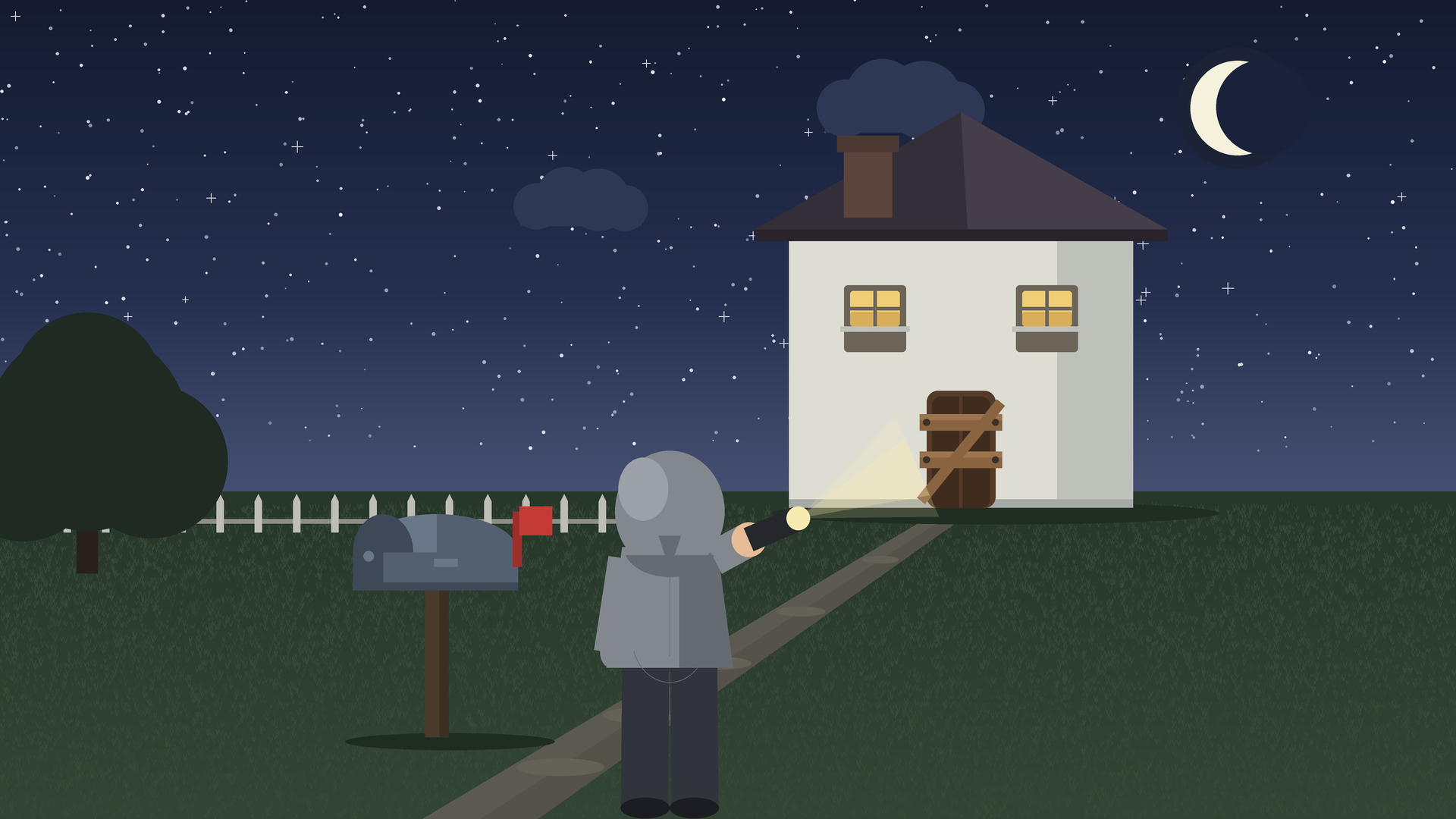
A figure with a flashlight stands before a white house at night, a small mailbox by the gate under a crescent moon.
West of House — where every SKOGARK story begins in the classic
adventure, mailbox and all.

If you ever played Zork or Colossal Cave, the opening of SKOGARK
will feel like coming home: a white house, a boarded front door, a small mailbox with a
leaflet inside. But SKOGARK is not a museum piece. Under its retro exterior sits a modern,
carefully engineered game — one that runs the same adventures across an iOS/macOS app
and a self-contained website, driven by a single shared engine.

Type it or tap it

Classic text adventures asked you to guess the magic words. SKOGARK keeps the parser
— type take lantern, light the lamp, talk to the captain
and it understands you — but it also layers a row of one-tap action chips over the
top. Every exit, object, and sensible verb in the current room becomes a button. You can
play the whole thing by typing, entirely by tapping, or by mixing the two, which makes it
just as comfortable on a phone as it is on a keyboard. A hint button is always a tap away
when you get stuck.

Worlds to get lost in

SKOGARK collects eight short adventures grouped into five destinations. Each one is a
self-contained little story with its own goal, its own cast, and its own hand-built artwork
that cross-fades as you move from room to room.

Explore — the classics

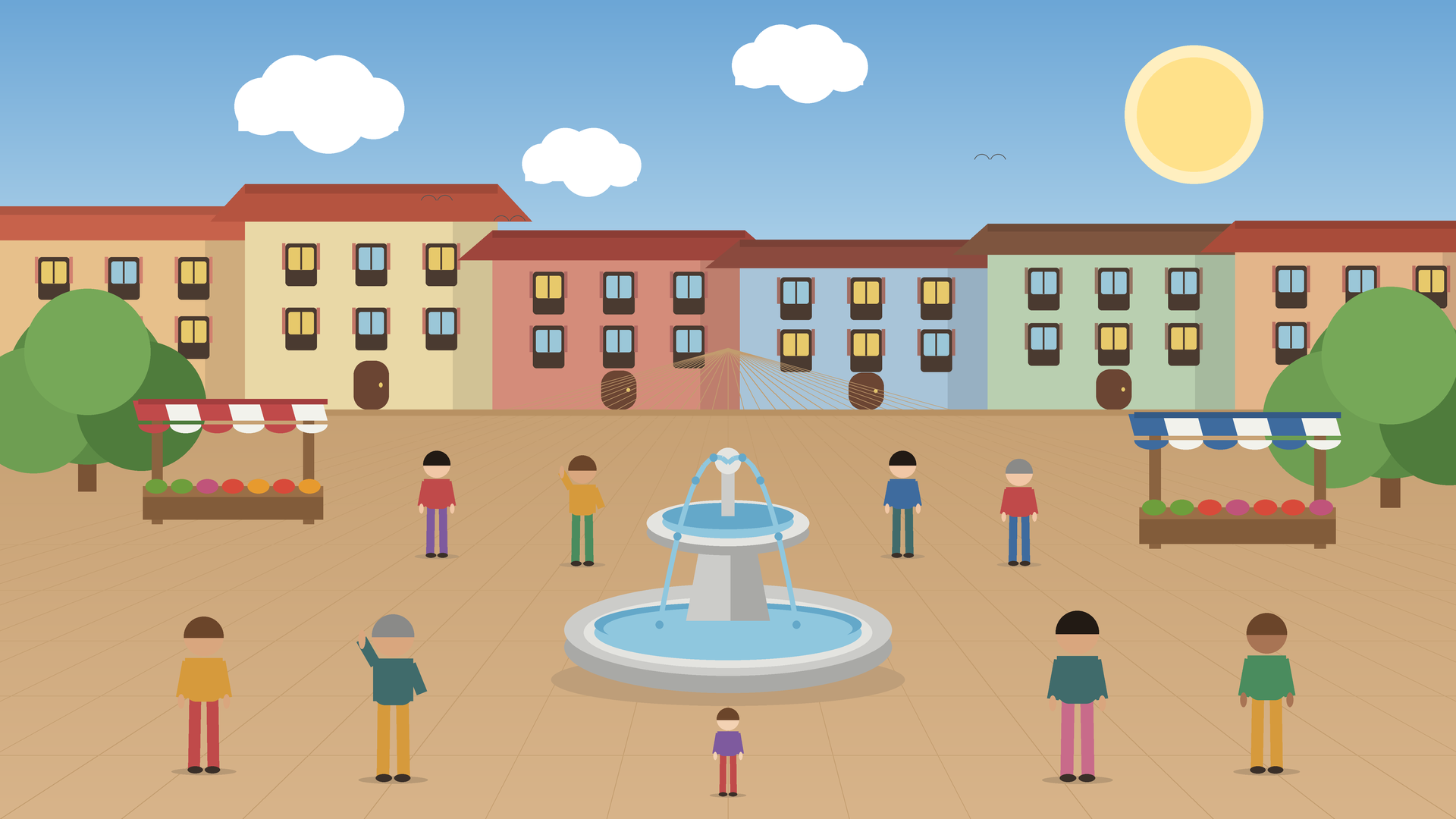
A sunny village square with a central fountain, market stalls, and colourful townsfolk.
The village square in Explore the Town, where the cook sends you
shopping with a purse of coins.

Two adventures carry the old-school torch. In Explore a House you
search a white house and the caverns beneath it for a jeweled egg — lighting the
brass lantern before the lurking grue finds you in the dark, and getting the treasure safely
into the trophy case. In Explore the Town, the inn’s cook hands you a
purse of coins and a shopping list; you haggle with the butcher, the baker, and the
fishmonger, then deliver the goods. (Watch for the stray cat who has a weakness for fish.)

Savannah — the Georgia coast

The cannon-lined rampart of a coastal fort, with container ships passing a small lighthouse on the river beyond.
The terreplein at Fort Pulaski, cannons trained on the shipping channel.

Two adventures bring the Savannah River to life. The Savannah Riverboat
is a sightseeing paddle-steamer tour: pick a sailing, board at River Street, and ride past
the working port to Old Fort Jackson while Captain Mike narrates — the fort even
answers with a cannon salute you can hear. Explore Fort Pulaski takes you
onto Cockspur Island to tour the fort from the parade ground to the cannon-lined terreplein,
circle the moat to the shell-scarred walls, and follow the marsh trail out to the Cockspur
Island Lighthouse.

Japan — neon and mountaintop

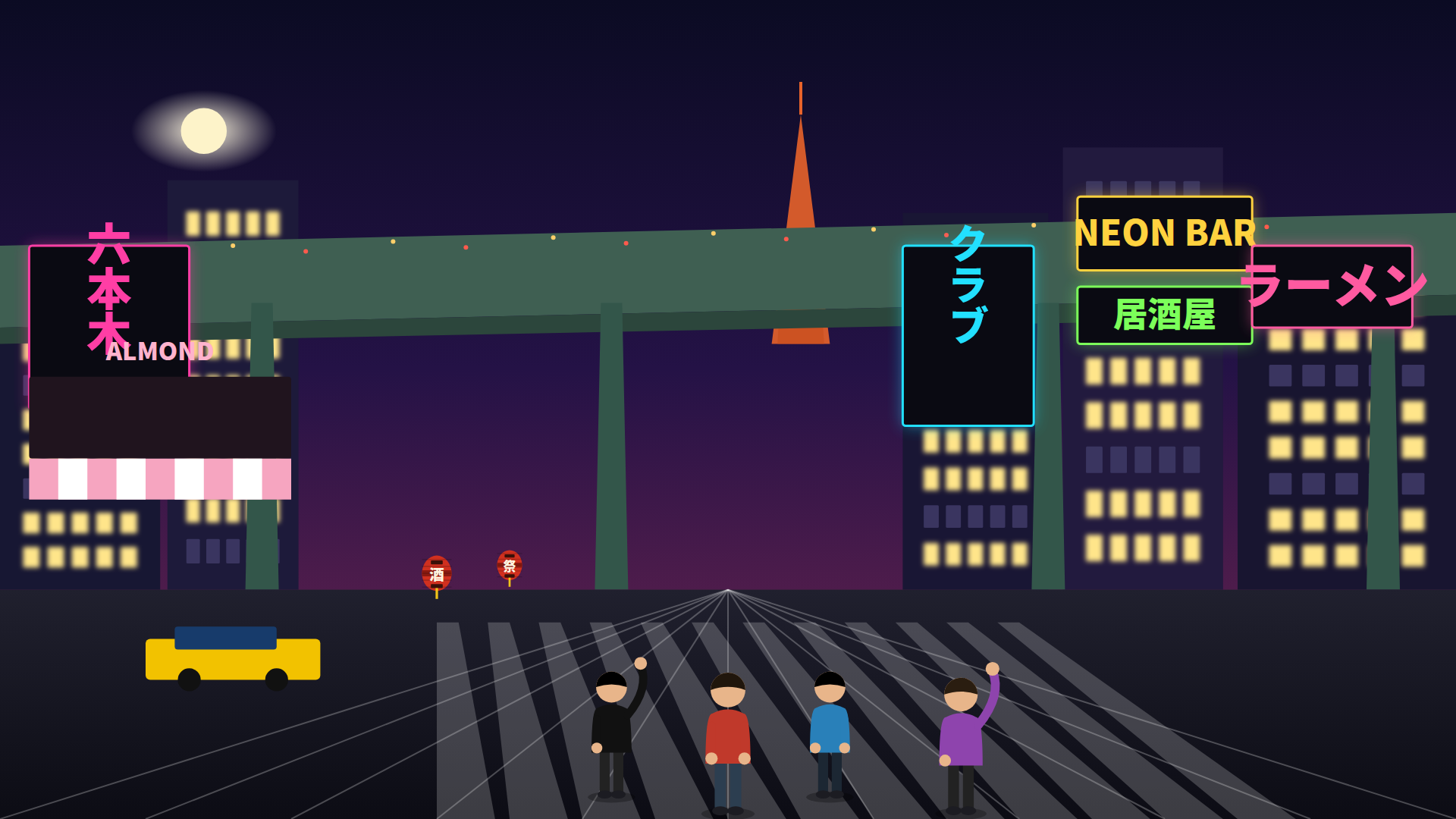
A neon-lit Tokyo street crossing at night, bar signs glowing in pink and cyan, a group of revellers on the crosswalk.
The neon crossing that opens the Roppongi Pub Crawl.

Japan offers two very different nights. The Roppongi Pub Crawl is one
neon evening in Tokyo’s famous bar district — ring the bell at Geronimo’s,
treat a homesick regular at Mogambo’s, throw darts at Bar Quest, then find dawn ramen
and catch the 05:12 first train home.

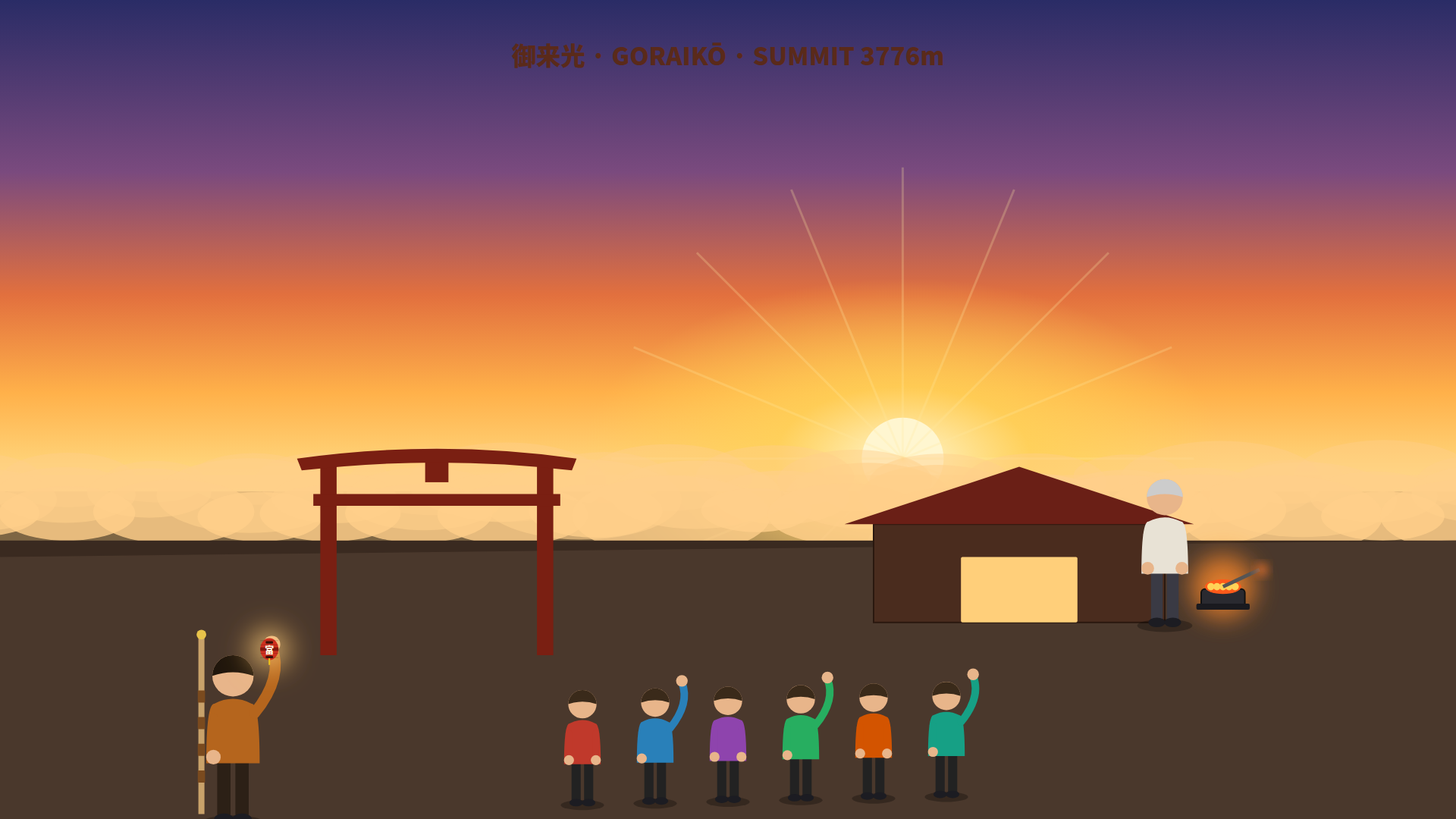
Climbers raise their arms to a blazing sunrise over a sea of clouds at the summit of Mount Fuji, a torii gate and mountain hut in silhouette.
Goraikō — the sunrise from the summit of Mount Fuji, 3,776 metres up.

Climb Mount Fuji is a night ascent of the Yoshida Trail from the Fifth
Station. You earn each mountain hut’s brand on your wooden climbing stick, weather
whatever the mountain throws at you, greet the goraikō sunrise from the top, and
seal the climb by mailing a letter home from the highest post box in Japan.

London — the commute-home detour

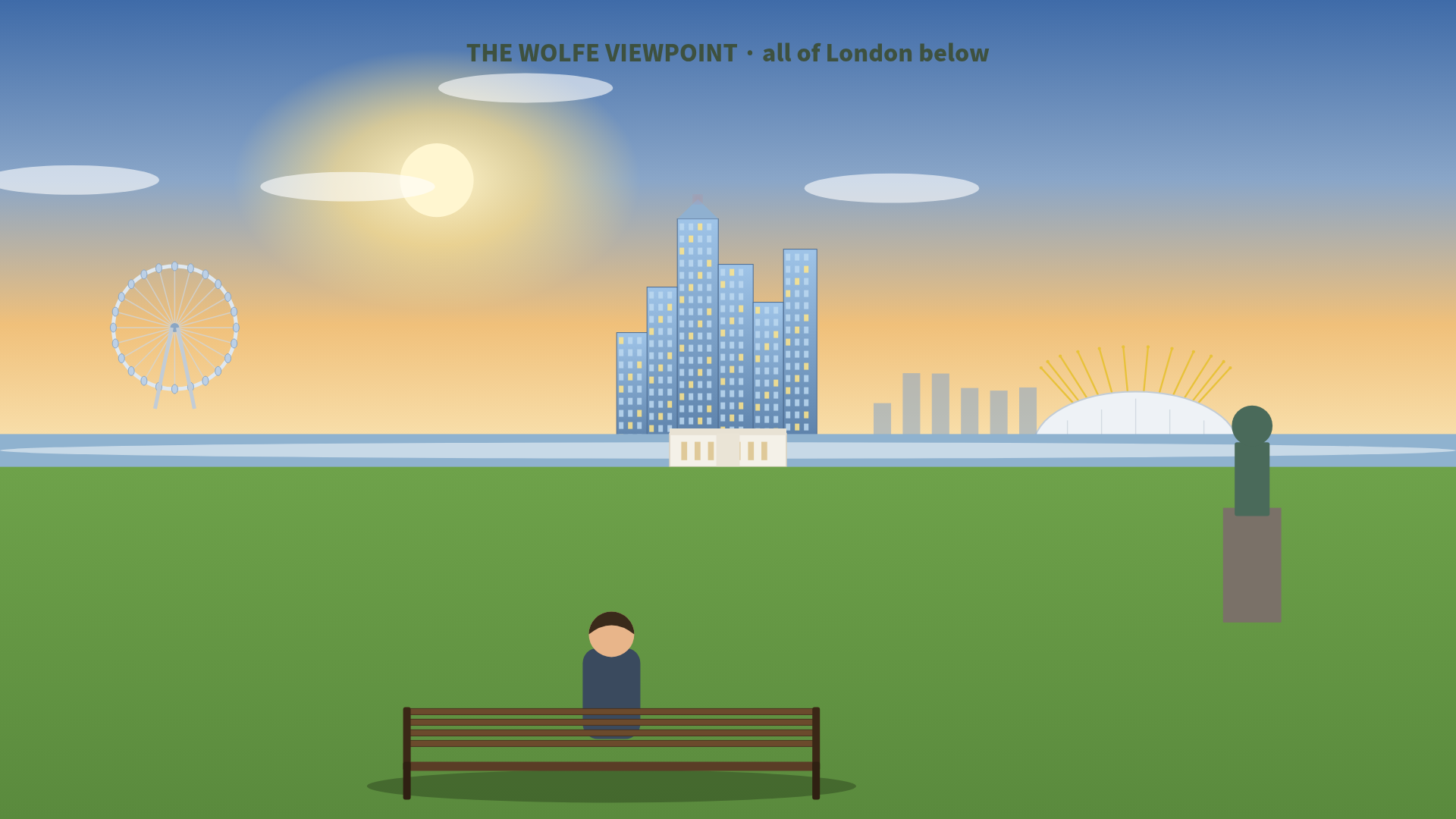
A person on a park bench at golden hour looks out over the London skyline, a big wheel and towers on the horizon.
The Wolfe viewpoint in Greenwich Park, all of London laid out below.

Greenwich Park is a quieter, wistful walk: off the DLR at Cutty Sark
station, under the old tea clipper, up past the Maritime Museum to stand astride the Prime
Meridian, and finally to the bench above the city with a handful of hazelnuts for the
squirrels and the whole skyline spread out at dusk.

Sydney — a day on the water

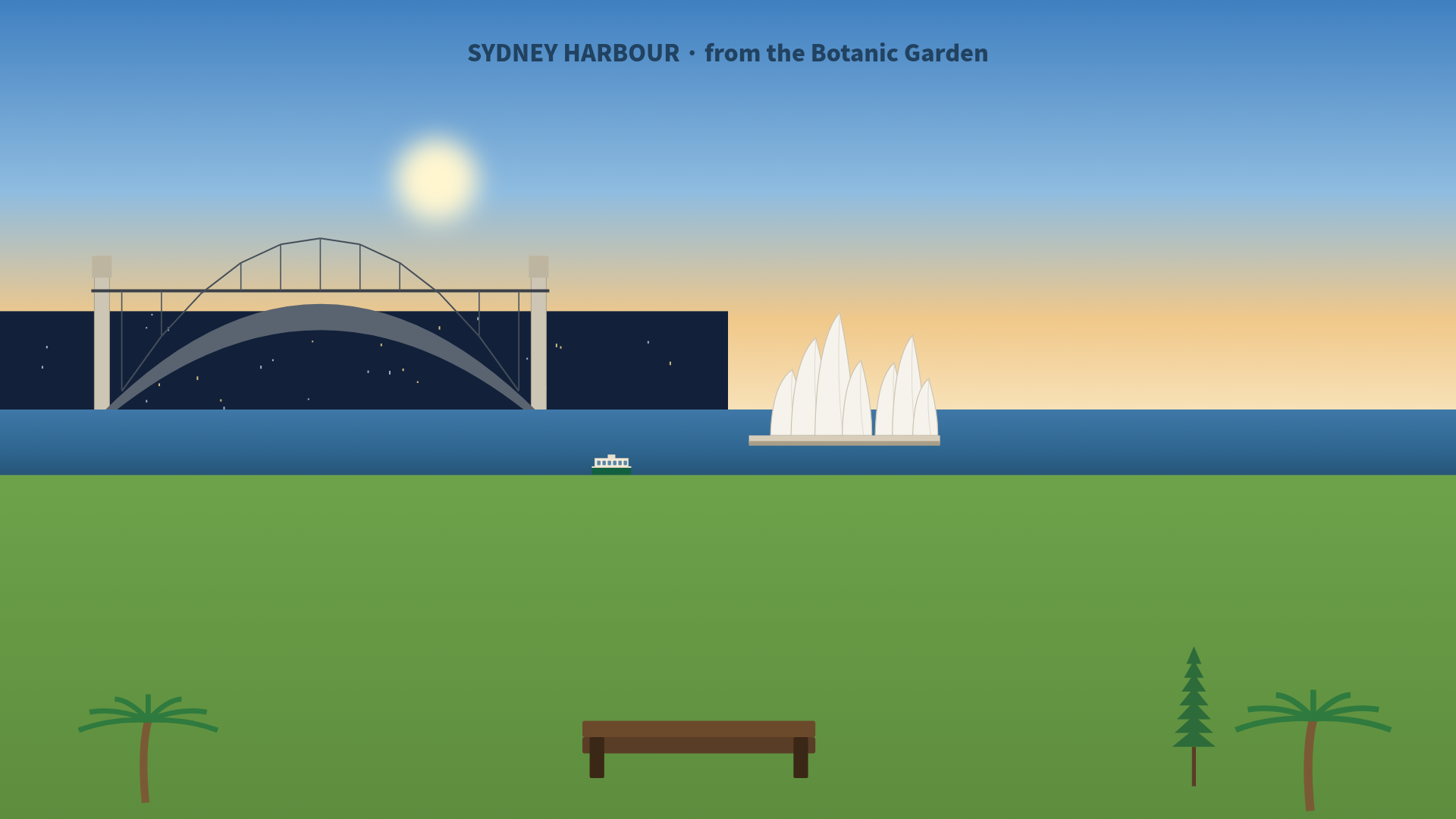
Sydney Harbour seen from a green lawn: the arch of the Harbour Bridge, the white sails of the Opera House, and a green-and-yellow ferry on the water.
Sydney Harbour from the Botanic Garden, ferry inbound.

Sydney Harbour Ferries is a whole day riding the boats from Circular
Quay: out through the heads on the big Manly ferry, across to quiet Balmoral for fish and
chips among the gulls, and home by the little Neutral Bay ferry, the bus up the hill, and a
cold schooner waiting at The Oaks.

The small touches

What lifts SKOGARK above a simple parser is the attention to detail. Every location has
original flat-design artwork that reacts to the story — the cellar stays black until
you light the lantern, then reveals the egg; Fuji’s summit breaks through the clouds
only in good weather; Circular Quay turns gold when the sunset run brings you back. The game
reads its narration aloud in a voice that follows the destination, switching to an Australian
lilt in Sydney and a British one in Greenwich.

Built with care, on two platforms

Both versions of SKOGARK — the native SwiftUI app for iPhone, iPad, and Mac, and the
browser version — run on one shared, deterministic game engine, so the adventures play
identically wherever you are. The web edition is completely self-contained: no account, no
sign-up, and it keeps your progress right on your device. It is a small game made the
old-fashioned way, with a lot of love for the genre that started it all.

Play SKOGARK

Play now in your browser:
gskoglind.github.io/SKOGARK

Get the app:
SKOGARK on the App Store
(iPhone and iPad, US and Canada). Explore and Savannah are free to play, and one
Round-the-World Ticket unlocks every other destination — including all still to come.

The browser version remains completely free and runs everything, on your phone or your
desktop. Pick a destination, and see where the night takes you.

Related: Lookabout: Point Your Camera at the World, and It Answers — a travel companion that names what you’re looking at, on some of the same ground.

Written by SkoGar · Categorized: Uncategorized

Copyright © 2026 · Altitude Pro on Genesis Framework · WordPress · Log in